

Newborn photos are often all about the little details—the tiny fingers, sleepy expressions, soft skin, and those peaceful moments that seem to pass far too quickly. A baby cocoon can be a simple way to bring warmth and character to those photos without making the setup feel overly complicated.
A baby cocoon photo prop gives a newborn a cozy place to rest while adding texture and shape to the photograph. From soft neutral cocoons to handmade crochet designs, there are plenty of styles to suit different photography themes. The right cocoon can work beautifully with simple blankets, natural backdrops, baskets, or a few carefully chosen accessories.
Choosing one, however, involves more than picking the prettiest design. Size, material, texture, color, and how the cocoon will be used all matter. This guide looks at what makes a good baby cocoon photo prop, how to choose one for newborn photography, and some simple ways to create beautiful setups.
[wpsm_toplist]
What Is a Baby Cocoon Photo Prop?

A baby cocoon photo prop is a soft, cocoon-shaped item used to create a cozy setting for newborn photographs. Its enclosed shape gives the image a snug, wrapped appearance while helping create a clear visual focus around the baby.
Unlike everyday baby blankets or clothing, a photo prop is often chosen specifically for its appearance on camera. Texture can add depth to a close-up photograph, while the shape of the cocoon can create a distinctive outline around the baby.
Baby cocoons come in many different materials and designs. Some are made from knitted or crocheted yarn, while others use soft fabrics with a smoother finish. There are also simple pod-shaped designs, traditional cocoons, and more playful shapes such as stars.
For photographers and parents, the choice usually comes down to the look they want to create. A neutral-colored cocoon can give a clean, timeless feel, while a textured handmade design can make the photograph feel warmer and more personal.
Why Use a Baby Cocoon for Newborn Photos?
One of the biggest reasons baby cocoons are popular for newborn photography is their ability to create a cozy look with very little setup. Instead of filling the scene with numerous props, a well-chosen cocoon can become the main feature while keeping the rest of the image simple.
Creates a Warm and Cozy Look
The soft texture and enclosed shape of a cocoon naturally give photographs a warm feeling. This works especially well with newborn images, where a calm and gentle atmosphere is often the goal.
Neutral colors such as cream, beige, white, and soft gray can also complement a wide range of backgrounds without taking attention away from the baby.
Adds Texture to the Photograph
Texture can make a simple newborn photograph much more interesting. Crochet and knitted cocoons, for example, can add visible patterns and small details that show up beautifully in close-up images.
A smoother fabric cocoon creates a different effect, giving the photograph a cleaner and more polished appearance.
Makes a Simple Setup Feel Complete
You don’t always need a complicated collection of photography props. A baby cocoon, a soft blanket, and a simple background can be enough to create a lovely setting.
This is particularly useful for parents taking newborn photos at home or photographers who prefer a minimalist style.
Works With Different Photography Themes
Baby cocoons are easy to adapt to different styles. A cream crochet cocoon can work well with a rustic or natural setup, while a simple white or beige cocoon can suit a clean studio background.
For something more playful, a distinctive shape such as a star cocoon can add personality to the photograph while still keeping the baby at the center of attention.
The key is to choose a cocoon that works with the overall setting rather than letting the prop overpower the photograph.
How to Choose the Best Baby Cocoon Photo Prop
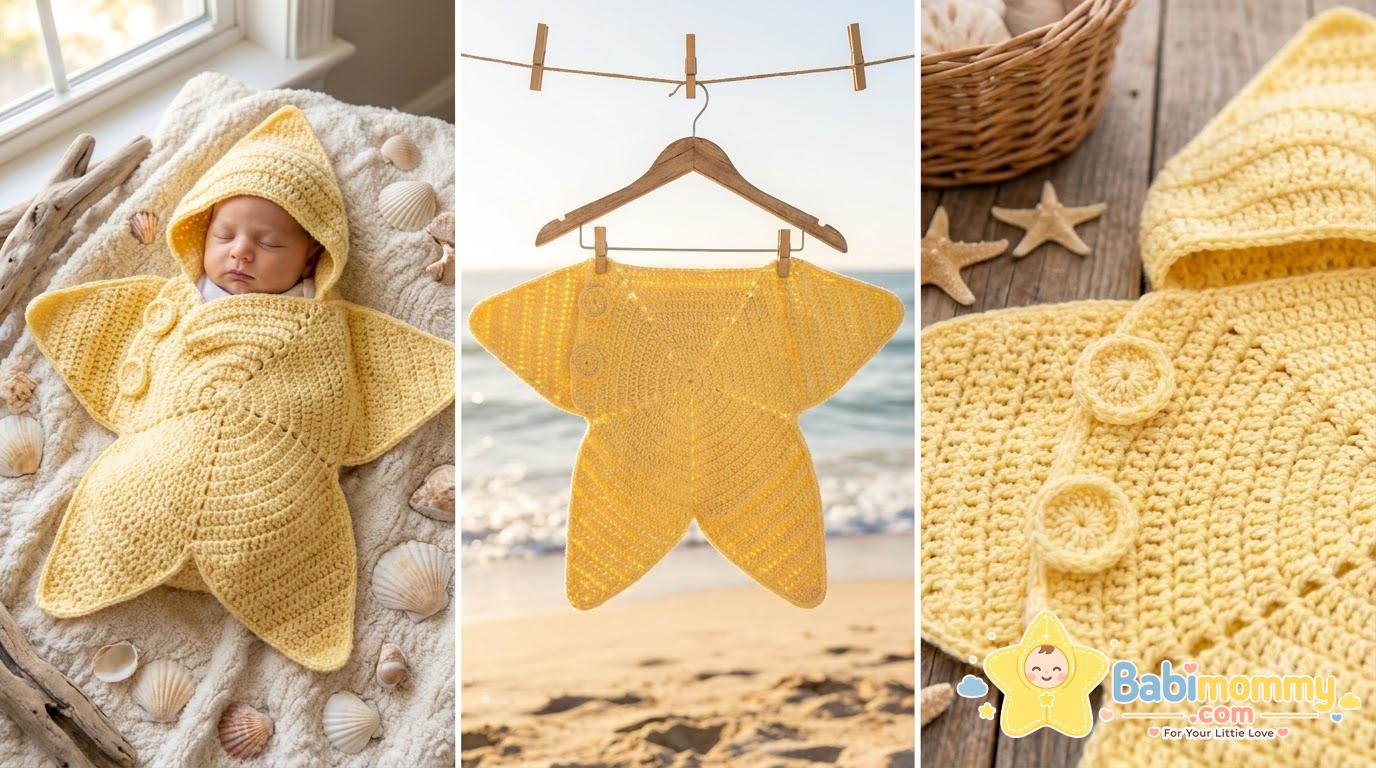
With so many baby cocoons available, it can be difficult to know which one is right for a newborn photography session. A good choice should look beautiful in photographs while also being appropriate for the intended use.
Material and Softness
The material is one of the first things worth checking. Newborn skin is delicate, so the cocoon should have a soft feel and a comfortable texture.
Crochet and knitted cocoons can add beautiful texture to photographs, while fabric versions tend to have a smoother appearance. The type of material can also affect how the cocoon stretches and holds its shape.
Look for clear information about the materials used, especially when buying a handmade product. Washing instructions are also worth checking before making a purchase.
Size and Fit
A cocoon should be appropriately sized for the baby it is intended for. A very loose cocoon may not create the look you want, while one that is too small may be uncomfortable.
Always check the seller’s size information rather than relying only on photographs. Measurements can vary considerably between different designs and manufacturers.
Shape and Design
The shape of a cocoon can have a noticeable effect on the final photograph.
Traditional cocoon shapes create a simple and classic appearance. Pod-style designs can give the image a snug, enclosed look, while more unusual shapes can become part of the theme.
A star baby cocoon, for example, can bring a playful and dreamy element to newborn photography. It can work especially well with simple backgrounds and subtle accessories.
Color
Color should complement the background and the overall photography theme.
Cream, beige, white, and soft gray are versatile choices that can be used for many different setups. Pastel shades can add a little more personality, while earthy colors can work nicely with rustic or natural themes.
When choosing a color, think about the complete photograph rather than the cocoon alone. A beautiful color can look very different depending on the blanket, backdrop, lighting, and other props around it.
Construction and Finish
Pay attention to the details of the cocoon itself. Look for an even finish, secure construction, and a design that holds its shape well.
For handmade cocoons, small variations may be part of their character. However, the overall construction should still be neat and suitable for its intended purpose.
Best Baby Cocoon Colors for Newborn Photography

The color of a baby cocoon can completely change the mood of a newborn photograph. Some colors create a soft and timeless appearance, while others work better when you want the images to have more personality.
Neutral Colors
Neutral shades are among the easiest choices for newborn photography.
Cream, beige, white, taupe, and soft gray can work with many different backgrounds and photography styles. They also tend to keep attention on the baby rather than the prop.
Cream and beige are particularly useful for warm, natural-looking photographs, while white can create a clean and bright appearance.
Soft Pastel Colors
Pastel colors can bring a gentle touch of color without making the photograph feel too busy.
Popular choices include:
- Blush pink
- Baby blue
- Sage green
- Lavender
- Soft yellow
These colors can work well for themed newborn sessions or when parents want something a little more colorful than traditional neutrals.
Earthy and Deeper Colors
Earth tones can give newborn photographs a warmer, more natural character.
Shades such as brown, terracotta, rust, muted green, and charcoal can work especially well with wooden props, woven baskets, natural fabrics, and warm backgrounds.
The lighting becomes particularly important with darker colors. Soft, even lighting can help preserve the details of the cocoon without making the image feel too heavy.
How to Match the Cocoon With the Background

A simple way to choose a color is to start with the background and build the rest of the setup around it.
For a light background, a cream, beige, or soft pastel cocoon can create a subtle layered effect. With a darker background, a lighter cocoon can provide contrast and help draw attention toward the baby.
Try to keep the overall color palette limited to a few complementary shades. Too many competing colors can make a newborn photograph feel cluttered.
Most importantly, the cocoon should support the photograph rather than become the main subject. A well-chosen color adds to the scene while keeping the baby’s face and tiny details as the natural focal point.
How to Choose the Best Baby Cocoon Photo Prop
Choosing a baby cocoon photo prop is about more than finding a design that looks good in a picture. The material, size, shape, color, and construction can all make a difference. A good cocoon should suit the photography style while being comfortable and appropriate for the baby.
Material and Softness
Start by checking what the cocoon is made from. Newborn skin is delicate, so the material should feel soft and comfortable.
Crochet and knitted cocoons can add visible texture to photographs, making them a good choice for rustic, handmade, or cozy setups. Fabric cocoons usually have a smoother finish and can create a cleaner appearance.
Check the product details carefully for information about the material, care instructions, and recommended use.
Size and Fit
Size is another important consideration. A cocoon should be suitable for the baby’s size and should not be excessively loose or restrictive.
Different brands and handmade sellers may use different measurements, so check the actual dimensions instead of relying only on the product name.
A well-sized cocoon can also photograph better because it maintains its intended shape without looking oversized around the baby.
Shape and Design
The design of the cocoon can set the tone for the entire photograph.
Traditional rounded cocoons offer a classic appearance, while pod-style designs can create a snug, enclosed look. More distinctive shapes can be used when the photography session has a particular theme.
A star baby cocoon, for example, can add a playful detail to newborn photographs. It works especially well with simple backgrounds, soft blankets, and subtle celestial-themed accessories.
Color
Color should work with the rest of the photography setup.
Cream, beige, white, and soft gray are versatile options that pair well with many backgrounds. Pastel colors can add a gentle pop of color, while earthy shades can create a warmer and more rustic appearance.
Consider the background, blankets, lighting, and other props before choosing the final color.
Construction and Finish
Look closely at the overall construction. Seams, edges, stitching, and finishing details should be neat and secure.
For crochet or knitted designs, examine the consistency of the stitches and the way the cocoon holds its shape. Handmade products may have small variations, which can be part of their character, but the finished piece should still be well constructed.
Best Baby Cocoon Colors for Newborn Photography
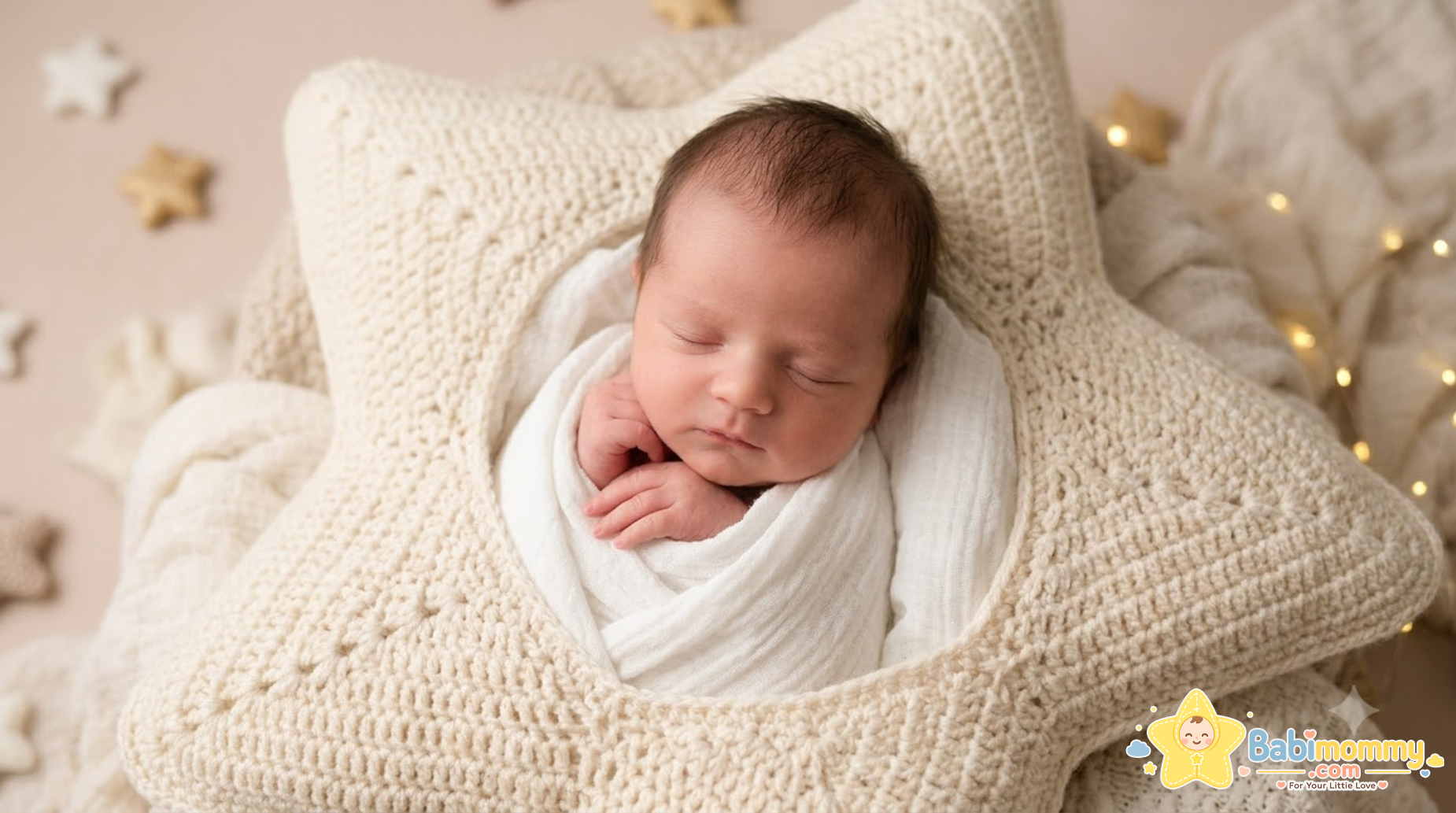
Color has a strong influence on the mood of a newborn photograph. The right shade can make the scene feel soft and peaceful, while a stronger color can give the image more personality.
Neutral Colors
Neutral shades are a reliable choice for newborn photography because they work with many different settings.
Popular options include:
- Cream
- Beige
- White
- Taupe
- Soft gray
Cream and beige create a warm, cozy appearance and work especially well with natural materials such as wood, linen, and woven baskets.
White can create a brighter, cleaner look, while soft gray provides a little more contrast without becoming too strong.
Soft Pastel Colors
Pastel shades are useful when you want to introduce color while keeping the photograph gentle.
Some popular choices include:
- Blush pink
- Baby blue
- Sage green
- Lavender
- Soft yellow
Pastel cocoons can work well for themed sessions or photographs where the parents want a little more color than a traditional neutral setup.
Earthy and Warm Colors
Earthy shades can give newborn photography a natural and cozy appearance.
Consider colors such as:
- Warm brown
- Terracotta
- Rust
- Muted green
- Dusty rose
- Charcoal
These shades pair nicely with wooden props, natural fabrics, dried flowers, and warm-toned backgrounds.
When using darker colors, make sure the lighting still reveals the texture and details of the cocoon.
How to Match the Cocoon With the Background
The easiest way to create a balanced photograph is to think about the entire color palette rather than choosing the cocoon separately.
A cream cocoon against a beige background creates a soft, layered look. A light-colored cocoon against a darker background provides more contrast and makes the baby stand out.
Try to keep the setup to a small number of complementary colors. Too many different shades can distract from the main subject.
The cocoon should support the overall composition rather than compete with the baby. A carefully chosen color can add depth and character while keeping the focus where it belongs.
Frequently Asked Questions About Baby Cocoon Photo Props
What is a baby cocoon photo prop?
A baby cocoon photo prop is a soft, cocoon-shaped item used as part of a newborn photography setup. It can add texture, shape, and a cozy appearance to photographs while helping create a simple and attractive composition.
Are baby cocoons good for newborn photography?
Yes, baby cocoons can be a beautiful addition to newborn photography. They can create a cozy appearance and work with many photography styles, from simple and neutral setups to rustic, handmade, or themed sessions.
What size baby cocoon should I buy?
Choose a cocoon based on the baby’s size and the manufacturer’s recommended measurements. Sizes can vary between products, so check the dimensions carefully before purchasing rather than relying only on age recommendations.
What material is best for a newborn cocoon?
There is no single material that works for every photography setup. Crochet and knitted cocoons provide visible texture, while soft fabric cocoons generally offer a smoother appearance. Whatever material you choose, check the product information and care instructions carefully.
What colors are best for newborn photography?
Cream, beige, white, soft gray, and other neutral colors are versatile choices. Pastel shades such as blush pink, baby blue, sage, and lavender can add a subtle touch of color. The best option depends on the background and overall photography theme.
Can you use a crochet baby cocoon for photography?
Yes. Crochet cocoons can add attractive texture and a handmade feel to newborn photographs. They work particularly well with rustic, natural, boho, and cozy photography styles.
What is the difference between a baby cocoon and a baby wrap?
A baby cocoon generally has a defined shape, while a baby wrap is a piece of fabric that can be arranged and wrapped in different ways. Cocoons can provide a more consistent look in photographs, while wraps offer greater flexibility in styling.
Can I use a baby cocoon for newborn photos at home?
A baby cocoon can be incorporated into a home photography setup, provided the environment and surface are appropriate and the baby is closely supervised throughout the session. Keep the setup simple and avoid placing the baby in an unstable or elevated position.
What other props work well with a baby cocoon?
Simple props such as soft blankets, baskets, neutral backdrops, small fabric accessories, and carefully chosen themed items can complement a baby cocoon. Keep the number of props limited so they do not distract from the baby.
Can a star-shaped baby cocoon be used as a photo prop?
A star-shaped cocoon can add a distinctive look to newborn photographs. Its shape works particularly well with dreamy, celestial, or playful themes and can be paired with simple backgrounds and subtle star or moon accessories.
What should I consider before buying a baby cocoon photo prop?
Consider the material, size, construction, color, design, care instructions, and intended use. Most importantly, make sure the product is appropriate for the baby and follow the manufacturer’s instructions during use.


Write Your Review
No reviews yet. Be the first to share your experience!