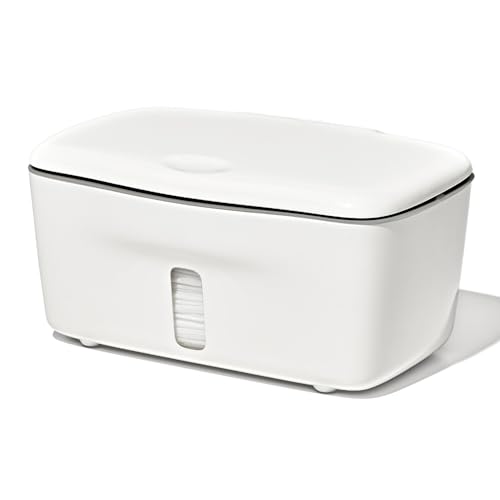
Baby clothes can outgrow a small closet quickly, especially when several sizes, gifts, and hand-me-downs are mixed together. A practical system makes it easier to find what fits today and prevents clean clothes from being buried under items the baby will not wear for months. The key is to organize around the current size first, then keep future sizes compact and clearly labeled.
Take everything out and make four groups
Begin with a quick inventory rather than buying bins. Make separate piles for clothes that fit now, the next size, later sizes, and items to pass along or store. Check labels and fit, since brands can vary. If a garment is already tight at the shoulders or difficult to fasten, it may be time to move it out of the active section even if the size label appears current.
Keep everyday essentials—sleepwear, bodysuits, pants, socks, and weather-appropriate layers—together. Put special-occasion clothes in a separate small section so they do not take up the easiest-to-reach space.
Set up a current-size zone
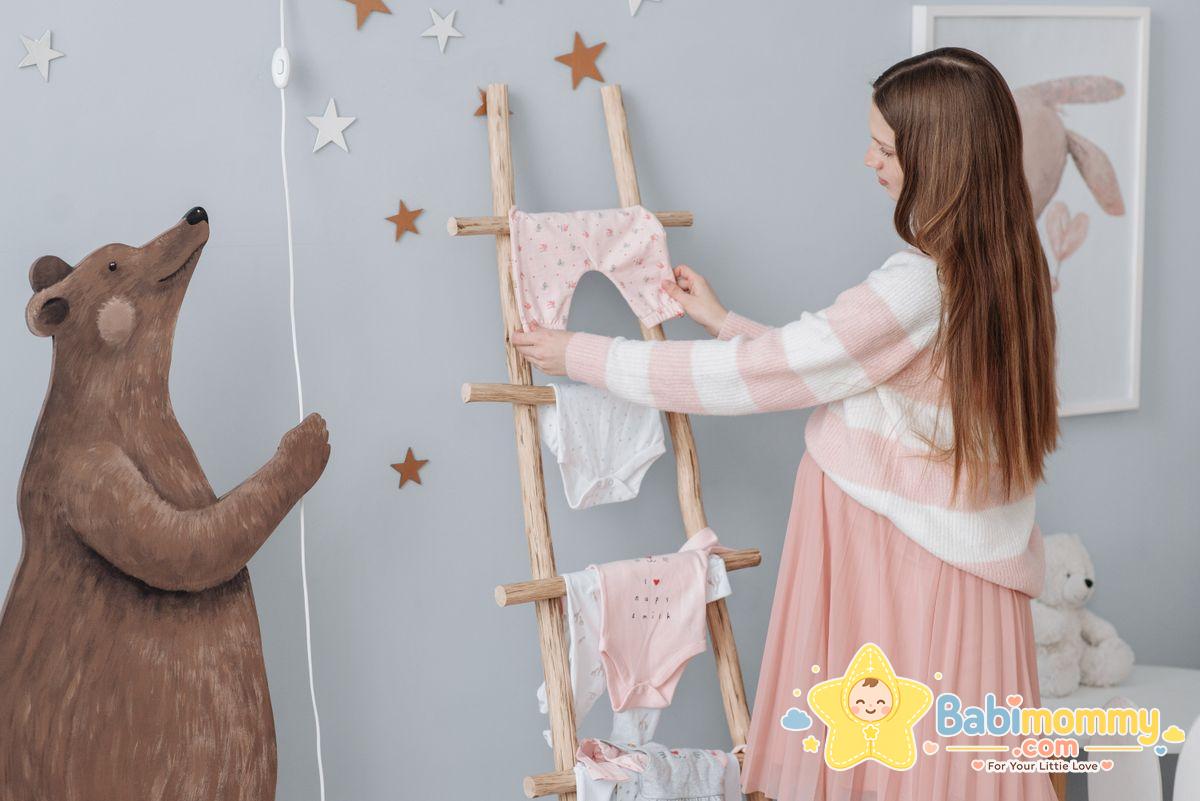
Give the current size the most accessible drawer or hanging area. Use simple dividers to separate categories, not too many tiny compartments. For example, one drawer can hold bodysuits and tops, another bottoms and pajamas, and a small organizer can hold socks and hats. Hang garments that wrinkle or are easier to identify on hangers; fold soft basics to save space.
Keep only a manageable quantity in the active zone. If the drawer is too full to close easily, move seldom-used pieces elsewhere. A closet that is easy to reset after laundry is more useful than one packed with every item the baby owns.
Store future sizes with clear labels
Put the next size up in one labeled bin or fabric box. Store later sizes separately, and write both the size and season on the label, such as “12–18 months / warm weather.” This helps you avoid pulling out winter clothes when the baby is ready for that size in July. If the closet is very small, stack bins on a stable shelf only if they cannot fall, and avoid placing heavy containers overhead.
Wash secondhand clothes before use according to their care labels and inspect snaps, seams, drawstrings, and decorations. Set aside anything damaged or missing pieces.
Use a weekly reset instead of a full closet overhaul
Once a week, return clean laundry to its category and remove anything clearly outgrown. Keep a small bag or box nearby for outgrown clothes, but move it out of the bedroom when it fills. When you bring in a new size, compare it with what is already there before adding more storage.
A helpful rule is “one in, one reviewed”: whenever a new bundle arrives, check whether the current-size drawer still closes and whether older sizes need relabeling. This keeps the system from becoming a long-term storage pile.
Example for a narrow closet
Use one drawer for current-size daily clothes, one small hanging section for dresses or jackets, and a labeled bin on a low shelf for the next size. Place socks and accessories in a shallow divider inside the drawer. Keep keepsakes in a separate memory box rather than mixing them with clothes in rotation.
Mistakes that make clothes harder to find
Avoid sorting only by color, since size and usefulness are more important during a rushed change. Do not label bins with vague terms such as “baby clothes.” Avoid vacuum-sealing clothes you will need soon, because opening and repacking them adds friction. And do not store heavy bins where they can tip when pulled out.
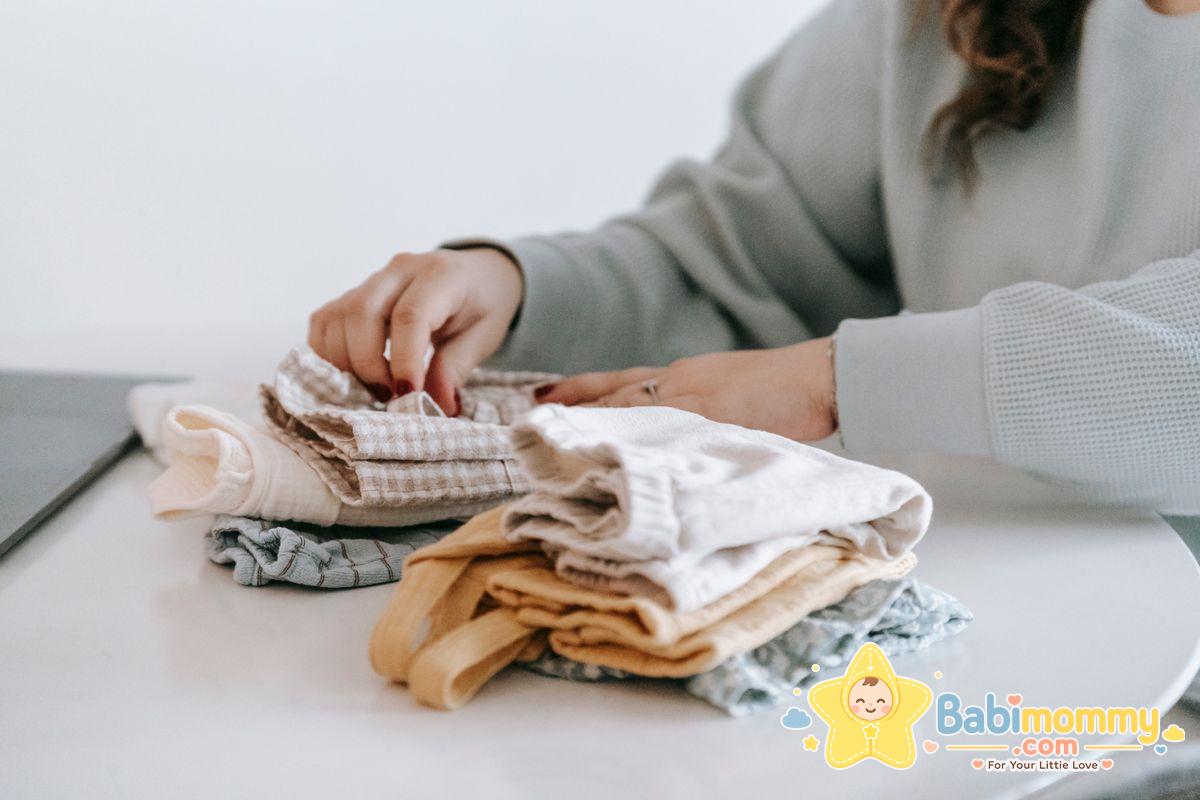
Illustrated setup and routine
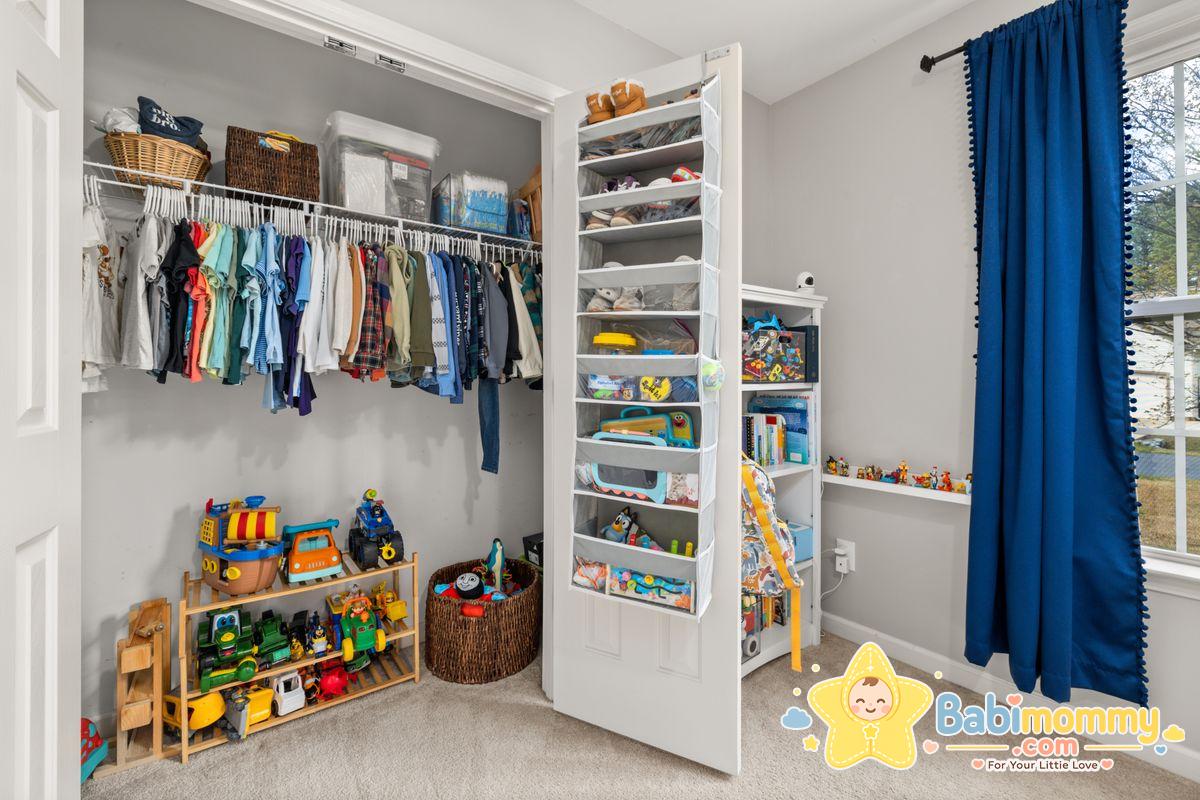
Use a clear size-transition point
Rather than moving a whole wardrobe at once, choose a simple trigger: when several outfits in the current drawer no longer fasten comfortably, review the next-size bin. Try a few garments on a clean, calm day and move only what fits now. This prevents the common problem of a drawer containing clothes labeled “current” that are either too small or still too large. Clothing labels provide a starting point, not a guarantee that every brand fits the same way.
Keep a small note on the future-size bin listing what you already own, such as “three sleepers, two pants, one warm layer.” It can prevent duplicate buying and help you identify genuine gaps. If seasons are different, include a month or weather note too; “6–9 months / cool weather” is more useful than just “6–9 months.”
Make laundry easy to put away
Use categories that match how you dress the baby rather than a perfect-looking closet. If you reach for pajamas every evening, give them one front-facing drawer section. Keep socks and bibs in a shallow divider so they do not disappear beneath larger clothes. When folding laundry, sort it straight into current-size categories first; put future sizes away only after confirming their label and season.
For shared bedrooms, avoid stacking heavy containers above the crib or changing area. Use a stable low shelf or drawer for garments in rotation, and label the front where you can read it without removing the box. A quick five-minute reset after laundry is usually more sustainable than reorganizing everything monthly.
Frequently asked questions
Should I organize by age or clothing size?
Use the size printed on the garment as a starting point, then check fit. Age ranges are approximate and vary between brands.
How many clothes should stay in the current-size area?
Keep enough for your laundry rhythm and climate, with a small backup for spills. The right amount depends on how often you wash clothes.
Should I hang or fold baby clothes?
Use whichever method makes the garments easiest to see and return. Folding usually saves space for basics; hanging can help with outerwear and easily wrinkled pieces.
How do I handle hand-me-downs?
Check condition, sort by size and season, wash before use, and store each future size in its own labeled container.
What if sizes from different brands fit differently?
Group by the baby’s actual fit rather than relying only on the tag. Move items into the active section when they fit comfortably.
Where should outgrown clothes go?
Keep a small temporary collection box, then donate, pass along, or store keepsakes when it fills.
How often should I reassess the closet?
A brief weekly check works well; do a fuller size transition whenever the current drawer starts containing many pieces that no longer fit.
Related Babimommy reading
Our guide to organizing everyday baby essentials for outings can help you keep the clothes you need at home separate from your travel kit.
Related guides
For more practical ideas, see our guides to travel laundry bags and stroller organizer bags for outings.
Final thoughts
Keep the current size visible, the next size labeled, and outgrown items moving out of the active closet. A few clear zones and a short weekly reset can make even a small closet feel easier to use.