A small bedroom can still support a calm, efficient diaper-changing routine. The goal is not to recreate a full nursery; it is to create one reliable place where supplies are easy to reach, the changing surface stays clear, and the baby is never left unattended. A little planning often matters more than buying extra organizers.
Choose the safest workable location
Start by looking for a stable, level surface that leaves enough room for you to stand comfortably and keep one hand on your baby. A purpose-built changing table should be assembled and used according to its manual, including any safety straps. If you use a changing pad on a dresser or other furniture, make sure the pad is secured as directed and the furniture cannot tip. Anchor dressers and other heavy furniture to the wall; keep the station away from windows, heaters, dangling cords, and places where a sibling or pet could interfere.
Do not place a changing pad on a bed, sofa, or other soft surface where it could shift. The changing area is for supervised changes only. If you need to step away—even briefly—pick up the baby and bring them with you.
Sort supplies by how often you use them
Keep the small daily kit close: diapers, wipes, a clean change of clothes, a washable or disposable changing liner, and the skin-care items your clinician has recommended. Store backups in a drawer or lidded bin rather than piling them around the pad. A shallow basket can hold the current supply, while a separate container can collect used clothing until laundry time.
- Top or immediate reach: only items used during a change, arranged so an adult can reach them without turning away.
- Drawer or nearby shelf: refill packs, extra outfits, and clean liners.
- Out of reach: medicines, creams with child-resistant lids, plastic bags, and anything small enough to pose a hazard.
Keep cords, monitor cables, and hanging fabric away from the baby’s reach. Avoid over-door organizers above the changing surface if they could swing or drop items.
Make a small-space layout work
In a tight room, use vertical storage only where it is securely mounted and cannot fall toward the changing area. A drawer divider can separate diaper sizes and creams without consuming floor space. If a dresser doubles as the changing station, reserve one drawer for baby care, another for current-size clothes, and keep the top uncluttered except during a change.
Build a simple refill habit: when you use the last few diapers or wipes, add them to a short shopping list. A small “ready basket” can be moved to a second room, but return it after use so supplies do not scatter around the home.
Example setup for a narrow bedroom
Place the changing furniture against a clear wall, with the adult’s standing side unobstructed. Keep one compact basket at the station with a few diapers, wipes, and a spare onesie. Store the backup pack in the bottom dresser drawer, and put laundry in a hamper beside—not beneath—the changing surface. This arrangement reduces reaching and keeps the walkway open.
Common mistakes to avoid
Do not stock the surface so heavily that there is no clear place to lay the baby. Do not leave the baby to fetch an item, answer a message, or open a drawer. Do not assume a safety strap makes an unstable surface safe. If a setup forces you to lean, twist, or stretch, rearrange it before using it.
Illustrated setup and routine


Plan the station around the adult’s reach
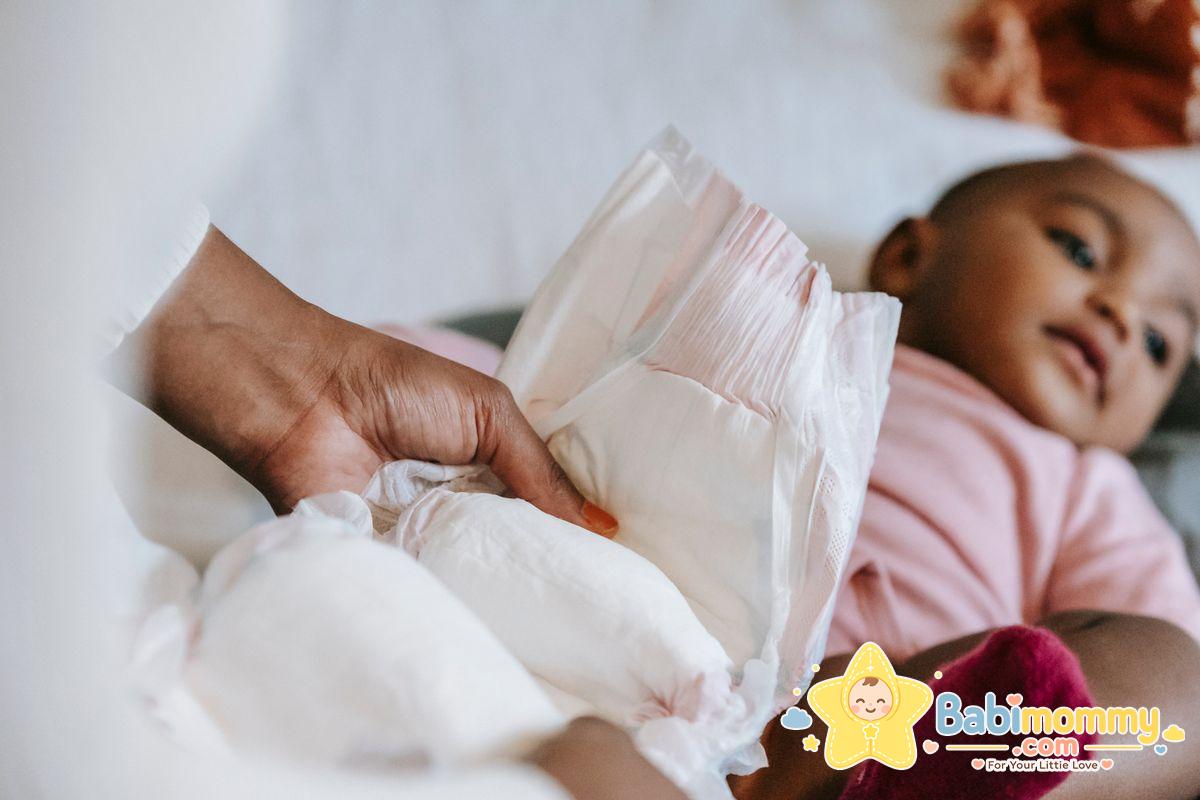
Before buying organizers, stand where you will change the baby and rehearse the sequence: lay the baby down, reach for a diaper, clean, dress, and dispose of waste. Anything that requires turning your back or leaning across the child belongs somewhere else. Put only a small working quantity on the station; keep refill packs in a drawer or closed bin. This lowers clutter and makes it easier to see whether a surface is stable and clear.
Think about the adult using the station as well. Leave room for both feet, avoid twisting around a bed corner, and place the diaper bin where it can be reached without stepping away. If more than one caregiver uses the room, agree on the same storage zones so supplies are easy to find at night.
A realistic weekly reset
Choose one brief time each week to check diaper size, restock wipes, remove outgrown clothes, and wipe the surface. A sample routine might be: keep a few diapers and one spare outfit in the top basket; store backup supplies in a drawer; put used clothing in a lidded hamper; and empty the hamper before it blocks the walking path. If the room is shared, return non-baby items to their usual place after each change so the station stays usable.
Small bedrooms often tempt families to use wall-mounted storage above the pad. If you do, use hardware suitable for the wall and place shelves where a child cannot pull at them; never store heavy or breakable objects overhead. A fitted drawer organizer can often provide the same convenience with less fall risk.
Frequently asked questions
Do I need a dedicated changing table?
No. A stable, correctly prepared surface can work, provided the manufacturer’s instructions are followed and the baby remains within your hands-on supervision.
What should stay within reach?
Keep only the supplies needed for that change close by, and arrange them so you do not turn away from the baby.
Can I change a baby on a bed?
A soft bed can be uneven and the baby can roll. Use a firm, stable changing surface designed for the task.
Where should diaper cream go?
Store it securely and out of the child’s reach, even if it is used often.
How can I keep the station from getting cluttered?
Keep a small working supply at the station and store refills elsewhere. Reset the surface after each change.
Should I use wall shelves?
Only if shelves are properly secured, placed out of reach, and positioned so nothing can fall toward the changing area.
How often should I reorganize it?
Review the setup when the baby changes diaper sizes or the room layout changes, and whenever an item becomes difficult to reach safely.
Related Babimommy reading
For more compact nursery ideas, see our guides to planning a small nursery around a mini crib and keeping baby-care routines manageable around the home.
Related guides
For more practical ideas, see our guides to stroller organizer bags for outings and diaper disposal bags for outings.
Final thoughts
A useful changing station is a clear, stable workspace with a small set of essentials and safe storage. Measure the room, anchor heavy furniture, keep the baby within reach, and tailor the supplies to the routine you actually follow.