

A medication lockbox and a child-resistant cabinet latch both aim to put distance between a young child and medicines, but they secure storage in different ways. A lockbox encloses medicine inside a locked container that can be placed on a high shelf or in a cabinet. A latch attaches to furniture and restricts access to an entire cupboard or drawer. Some households need both, especially when medicines are used in multiple rooms or by several caregivers.
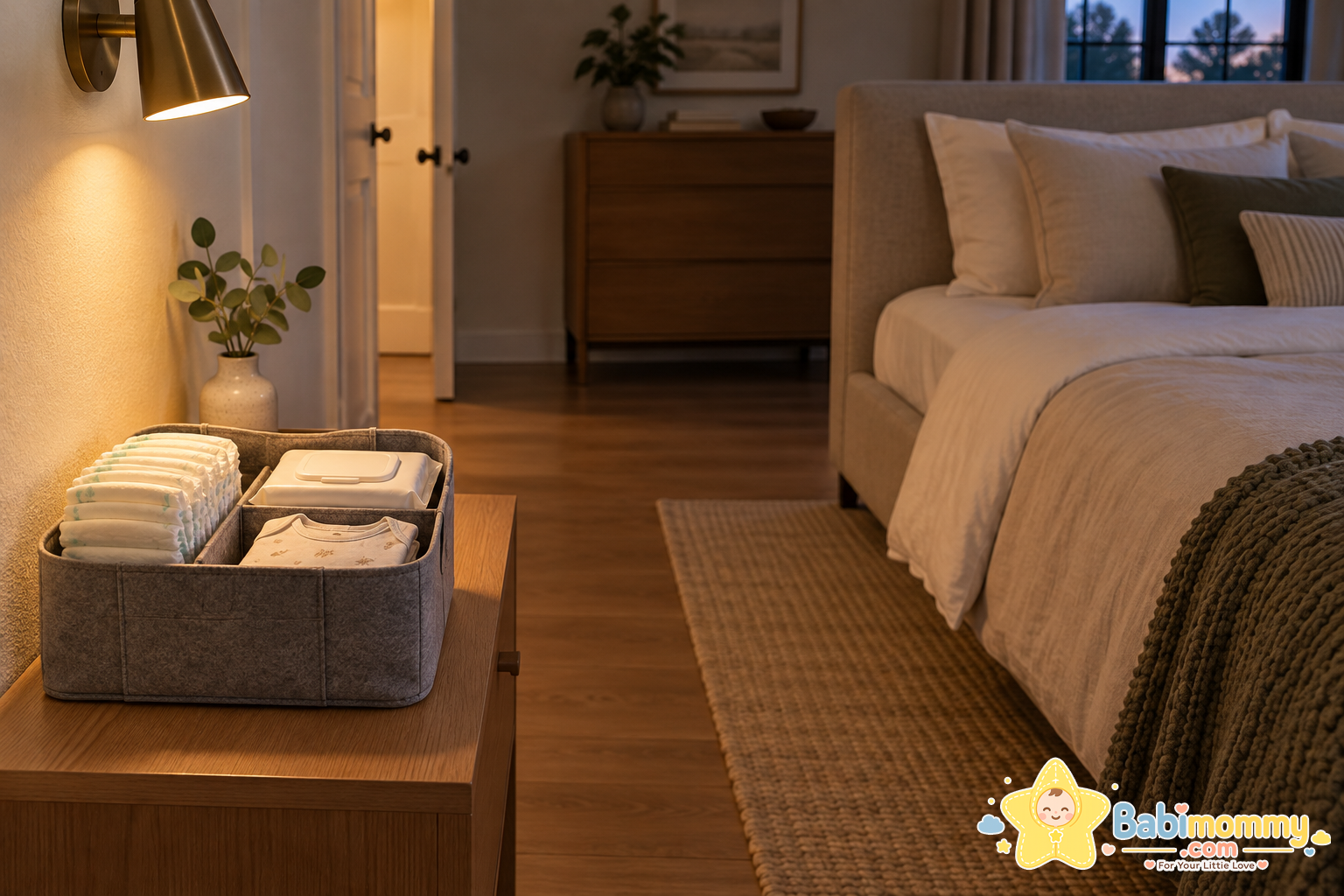
This guide compares capacity, access, installation, portability, and the habits that make storage reliable. A “child-resistant” package is not childproof, and a latch or lockbox works only when adults use it every time. Keep medicines in their original packaging where possible, follow dispensing instructions, and contact a poison center or emergency services if a child may have taken medicine.
Verified poisoning data and why storage habits matter
The 2025 CPSC Annual Report on Unintentional Pediatric Poisoning reported an estimated 67,000 emergency-department-treated poisoning injuries among children under five in 2023. The report includes unintentional poisonings from drugs and other household chemical substances, not medication alone. The figures are national estimates based on NEISS surveillance, so they do not count every exposure or identify which storage product would have prevented each incident.
The same report identified 90 poisoning fatalities among children under five in 2023. The report notes that narcotics and other substances were involved in much of the rise in recent years. These numbers are not a reason to panic; they are a reason to make storage routines dependable and keep medicines out of reach and sight. The CPSC also notes that child-resistant packaging is required for about 30 categories of medicines and hazardous household products, but it is not a substitute for secure storage.
Verified statistics: CPSC estimated 67,000 ED-treated unintentional poisoning injuries and reported 90 poisoning fatalities among children under five in 2023. These totals include drugs and other household chemical substances, not medicines alone. Source: U.S. CPSC, Annual Report on Unintentional Pediatric Poisoning Injuries and Fatalities (March 2025).
When a lockbox makes more sense
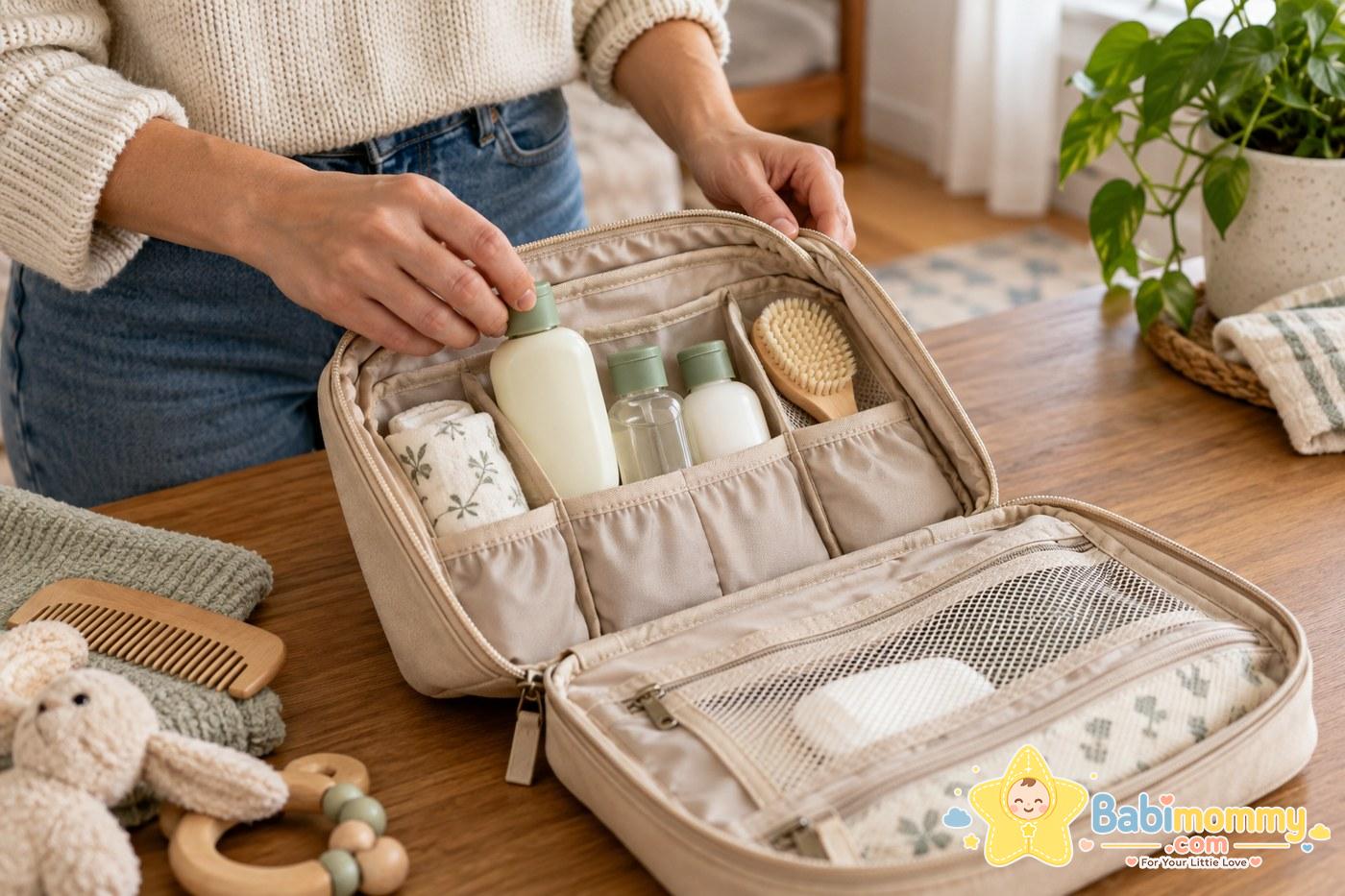
A lockbox can keep medicines together in one container, which may help when a family uses prescriptions, over-the-counter medicines, and vitamins in different parts of the home. It can be stored on a high shelf or inside a locked cabinet. The lock should be easy for adults to use but inaccessible to a child. Check the box’s capacity and the type of lock before buying.
Portability is useful when medicines travel between home, a caregiver’s house, or a trip. But carrying a lockbox also creates a chance it will be left open or placed within reach. Decide where it will live and who has the key or combination. If several adults need access, choose a system they can operate without leaving the container unlocked during a busy routine.
Check that the box can hold original bottles without forcing them into an awkward angle. Do not transfer medicines into unmarked containers just to save space. Keep dosing devices with the correct medicine and follow product labels and prescriber directions. A lockbox organizes storage but does not verify the correct medicine or dose.
When a cabinet latch may be enough—and when it is not
A cabinet latch can secure a whole cupboard or drawer, which may be practical when a household wants to keep medicines and other hazards behind one door. Some latches are visible; others mount inside the cabinet. The surface, door style, and installation location affect how well a latch works. Use one designed for the exact cabinet and follow the instructions.
Cabinet latches can become less reliable if adults leave them unlatched after taking something out. A toddler may watch how a caregiver opens the cabinet and learn the motion. Inspect the latch regularly and move medicines if the child can defeat the device. A latch may also be unsuitable for shared spaces where many visitors or caregivers use the cabinet.
For controlled prescriptions or medicines that could be especially dangerous if swallowed, a locked container may provide an additional layer. Ask a pharmacist about storage recommendations for a specific product. Keep medications away from food, snacks, and baby-care items so a child cannot mistake them for treats.
Convenience can create a weak point
The safest storage system is the one adults can use consistently without leaving medicine out. A lockbox may be secure but frustrating if the key is missing or the combination is forgotten. A latch may be quick but easy to leave unfastened. Think through a real day: morning medicine, a rushed school pickup, a visitor staying overnight, and a night-time dose when everyone is tired.
Create a simple routine: take out one medicine, give the prescribed dose, close the package, return it to the lockbox or latched cabinet, and check that the lock is engaged. Do not leave a bottle on a counter, nightstand, or diaper caddy while responding to a child. Keep medicine storage separate from snacks or bottles.
Caregivers should know where the lockbox is and how to use it, while children should not know the code or where the key is hidden. If a babysitter needs access, explain the routine and return the key or lockbox to its secure place afterward.
Installation and location
Choose a storage location above a child’s reach and away from heat, humidity, and direct sunlight, while following the medicine label. A bathroom cabinet may be convenient but can be warm and humid. Ask a pharmacist if a medication has special storage needs. Do not store medicines in a purse, diaper bag, or coat pocket that a child can explore.
Install latches with the supplied hardware and test them after installation. Check whether adhesive products are compatible with the cabinet finish and how often adhesive needs replacing. A magnetic lock may require a key or tool that should remain out of children’s reach. A lockbox should be anchored only if the manufacturer provides a safe method; avoid placing a heavy container where it can fall.
Review storage whenever the family moves, changes caregivers, or has a child who becomes more mobile. A toddler who could not reach a cabinet last month may now climb a nearby chair. Move climbable objects and reassess the storage location.
Travel and visits to relatives
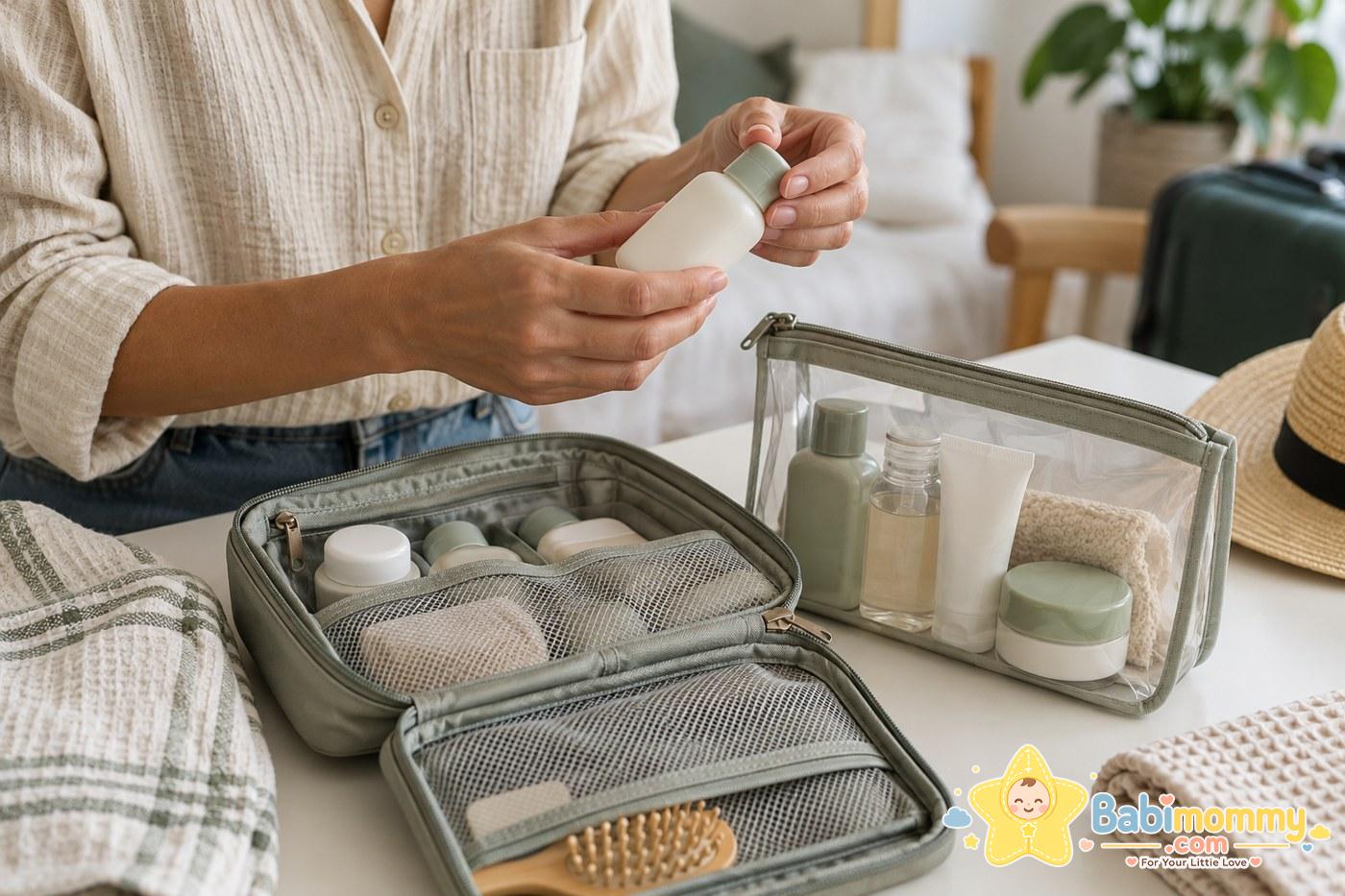
Medication storage needs to travel with the child. Keep medicines in original containers and secured in a locked travel case or in a place the child cannot reach. Do not leave a medication bag on the floor, in an open suitcase, or on a hotel nightstand. At a relative’s home, look for handbags, pill organizers, and medicines left on counters.
A portable lockbox can help maintain one routine across locations, but it is only useful if the adult keeps it locked and knows where the key is. If the lockbox is too bulky, use another secure storage method that follows the medicine’s storage requirements. Do not rely on a high shelf if a child can climb to it.
Home safety also includes cabinets containing cleaners and other hazards. Our cabinet lock guide compares latch styles, and the stove knob cover guide discusses another kitchen safety layer. These products have different purposes; neither replaces safe medication storage.
What to do if a child may have taken medicine
Keep the container or package nearby and contact Poison Control in the United States or local emergency services for guidance. Do not wait for symptoms or try to make the child vomit unless a qualified professional tells you to. If the child is unconscious, having trouble breathing, or having a seizure, call emergency services immediately.
Knowing the medicine name, strength, possible amount, and time of exposure can help responders. Keep this information accessible to adults, but keep the medicine itself secured. If a child’s medication plan changes, remove expired or discontinued products using a pharmacy take-back program or local disposal instructions.
Which storage setup should you choose?
A lockbox may be a stronger fit for a household with several medicines, multiple rooms, frequent travel, or products that need an extra barrier. A cabinet latch may suit a family that wants to secure an entire storage area. Some homes use both: a latched cabinet plus a locked container for medications. Whatever the format, keep the device engaged and store medicine out of sight and reach.
Before buying, compare lock operation, capacity, mounting method, adult access, portability, and the exact storage requirements on medicine labels. Ask a pharmacist about temperature or humidity concerns. Do not let the product’s name—“child-resistant,” “safe,” or “lockable”—replace a hands-on check.
Frequently asked questions
Are child-resistant medicine caps enough?
No packaging is fully childproof. CPSC says child-resistant packaging covers many product categories, but caregivers should still secure medicines after each use.
Is a lockbox better than a cabinet latch?
They secure different things. A lockbox contains medicine; a latch restricts access to a cabinet. Some families use both.
Where should medicines be stored?
Follow the product label and pharmacist’s advice. Keep them locked, out of sight and reach, and away from heat or moisture if the instructions require it.
Should medicines stay in their original packaging?
Keep them in labeled containers when possible so adults can identify the product, dose, and instructions accurately.
What does the 67,000 figure include?
It is a CPSC estimate of ED-treated unintentional poisonings among children under five in 2023 from drugs and other household chemical substances—not medication alone.
Can a high shelf replace a lock?
A high shelf can still be reached by climbing. Use secure storage and keep climbable furniture away.
What if a child may have swallowed medicine?
Contact Poison Control or emergency services promptly. Keep the package available and do not induce vomiting unless directed by a professional.
How often should I check a latch or lockbox?
Check the device regularly, after moving it, and any time a child has tested or opened it. Replace worn or damaged hardware.
Final thoughts
Medication storage works through routine as much as hardware. Choose a lockbox, cabinet latch, or combination that adults will use every time. Keep medicines in labeled containers, return them immediately after dosing, and ask a pharmacist about special storage requirements.



Write Your Review
No reviews yet. Be the first to share your experience!